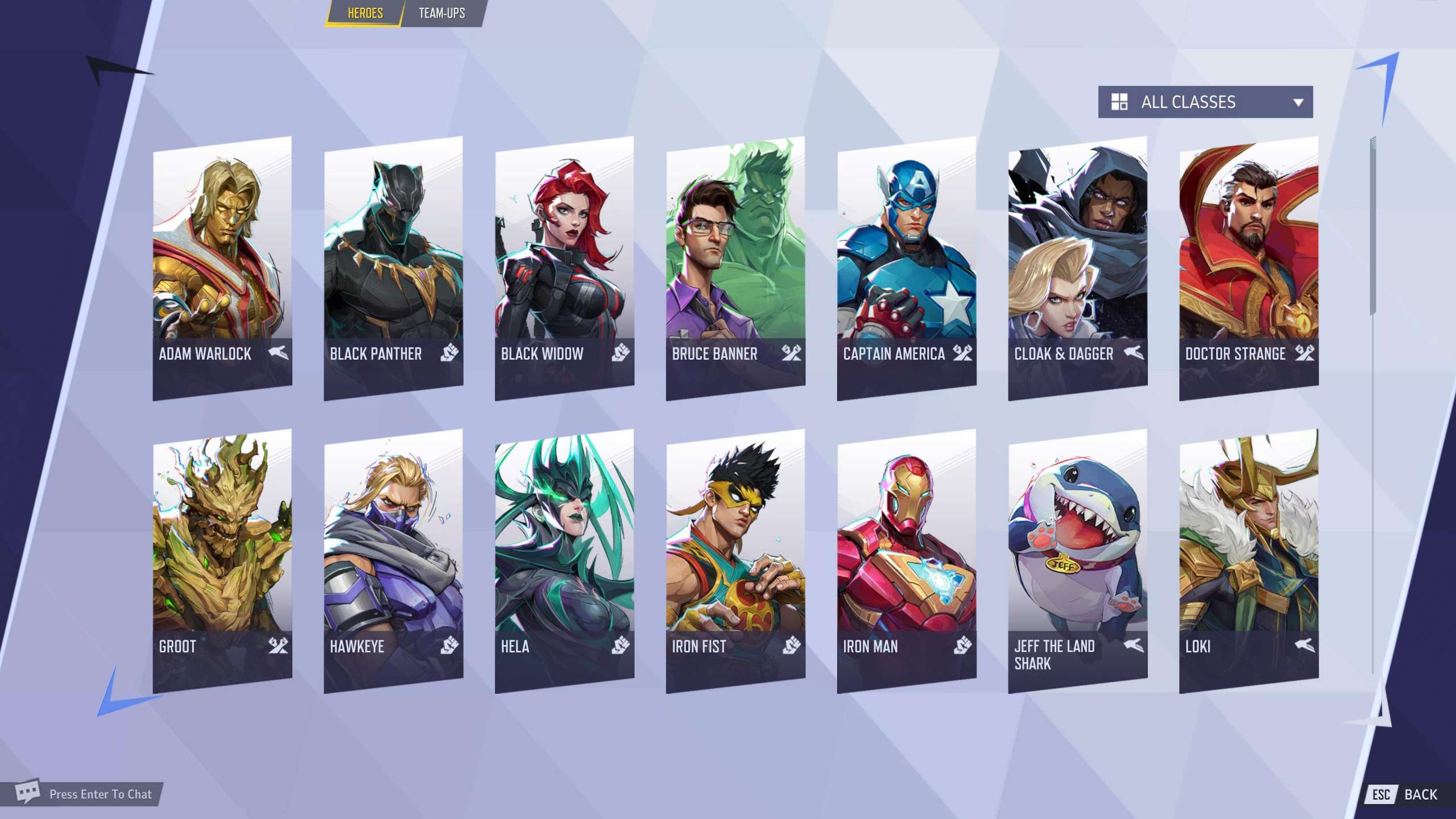
Yesterday was the first time I played Marvel Rivals, not because I didn’t wanna play it or I hate the game – I somehow just never got around it. After downloading a massive 70-something gigabytes and a lot of friendly encouragement (I was pressured to play), I jumped in last night and it felt like I arrived late to a party that had already spent a year arguing about balance. That is exactly the right way to feel. Marvel Rivals launched with huge expectations, a stacked roster, and an ambitious free-to-play model. One year later, the game is recognizably the same hero shooter, but it has been changed by seasons, balance patches, and a player base that has been loud, creative, and occasionally furious. This is a before-and-after look at the biggest updates, the community mood, and whether the game is worth your time now.
Below, I cover release basics, what mattered at launch, the major updates that reshaped the meta, the features players loved and hated, and a snapshot of the current player base. I checked official patch notes, industry coverage, hands-on previews, Steam activity, and community threads before drawing conclusions.
The setup: launch and early reality
NetEase Games released Marvel Rivals in early December 2024 on PC, PlayStation 5, and Xbox Series X|S, with a later PlayStation 4 build. The pitch was simple and loud: a Marvel hero shooter with cross-play, an all-heroes available at launch approach, and spectacle-driven team fights. That early model generated huge curiosity and a strong launch spike, especially on PC. Steam peak concurrent players hit in the hundreds of thousands at launch. I mean why wouldn’t it? The graphics, the concept, the marketing = all fkn top notch.
The reality after week one was a typical free-to-play rollercoaster. Matchmaking problems, hero balance complaints, and a community asking about long-term content cadence dominated conversation. The team promised seasons, monthly hero additions, and a faster hero release cadence to keep players engaged.
Before: the most talked-about launch problems
At launch, the things that hurt the first impression were clear. Matchmaking quality was inconsistent, ranked rewards felt stingy, and some heroes were simply frustrating to play against. Reddit and early reviews called out a handful of characters that warped game flow and felt oppressive in uncoordinated play. Some players also thought the reward economy needed work for long-term retention.
From a live service point of view there was also uncertainty about how quickly new heroes and modes would arrive. Players worry less about a shallow launch than about an empty roadmap after launch. That fear shaped a lot of early scepticism.
After: the top updates that actually moved the needle
Year one was not just patches. It was a steady revision of the systems that players complain about most. Here are the updates that matter the most now.
- Hero release cadence and seasons. NetEase moved to a faster hero cadence and two month seasons, bringing a new hero midseason and smoothing content drip. That kept the roster feeling fresh and gave players reasons to log in regularly. The midseason additions and team-up ability reworks changed combos and counters in a meaningful way.
- Balance and Hero Proficiency overhaul. A major update in January 2026 expanded the Hero Proficiency system with a higher cap, more progression tiers, and better rewards. Players who grind heroes now feel rewarded for investment rather than locked out by meta choices. That change improved retention for dedicated players. Hehe. Much needed.
- Gameplay tuning and patch cadence. Patch notes show a steady rhythm of balance patches, bug fixes, and mode tweaks throughout the year. The team published frequent notes and hotfixes, which reduced the long waits between fixes that frustrated players at launch.
- Cosmetic and social improvements. The game added gifting, recolored skins, animated avatars, and social features players asked for. These are small, but they strengthen the feeling of a living game where your investment and identity matter.
What players loved, and what still annoys them
The most liked changes
- Faster hero cadence and meaningful midseason additions kept the meta evolving and prevented staleness. Players enjoy testing new toys and new team synergies as they arrive.
- Expanded hero progression made main-ing a character feel more worthwhile. The Hero Proficiency update gave long-term grinders something to chase.
- Active developer communication. Frequent patch notes, developer posts, and roadmap updates mattered. The team reduced radio silence and that built some trust.
The most disliked things that remain
- Balance wobble. Some heroes still shape matches in unfair ways in uncoordinated play. Community threads and videos kept flagging certain characters as annoying or oppressive. The roster variety helps, but balancing a large cast is still work in progress.
- Monetization questions. While the game is free to play and ships heroes unlocked, some players flagged seasonal reward design and cosmetic pricing as friction points. Ranked rewards at launch were criticized and while changes happened, the economic feel is still a touchy subject.
- Perception of churn. Despite steady updates, some players feel the core loop needs more modes to feel truly sticky long term. The faster hero cadence helps, but live service longevity is about modes as much as it is about characters. This is sorta PMO ngl.
The current player base: numbers and mood
Is Marvel Rivals dead or healthy? Neither. The launch was a massive spike followed by a decline to a steadier number that still looks respectable for a one-year-old hero shooter. Steam and third party trackers show a big peak at launch and a plateau in the tens of thousands of daily active players on PC. Cross-platform numbers are less visible, but industry estimates and tracking sites place monthly active users in the six figures during 2025 with Steam activity stabilizing. The picture is a typical live service normalization curve. It’s important to note that whenever I’m trying to queue up now, I get a match/battle within the first 10 seconds (sometimes less than 5 seconds) so I assume that there’s a LOT of people still playing this game!
Community sentiment is split but constructive. Hardcore players and creators praise the improved progression and the hero design variety. Casuals sometimes complain about balance and the learning curve. Social media and subreddit threads are full of theorycraft, balance posts, and highlight clips, which is a good sign. If people are still making content, the game still matters.
Before vs after in a sentence
Before, Marvel Rivals felt like a beautiful but slightly unstable experiment: great spectacle, inconsistent systems, and a community anxious about content cadence. After a year, it feels like a far more disciplined live service: faster hero releases, deeper progression, clearer developer signals, and a meta that still needs tuning but is no longer collapsing under its own launch weight. I can’t say much, but my friends on Discord had a lot to say, and this is them speaking through me.
Is it worth your time today?
If you enjoy hero shooters and you want a Marvel-flavored experience with all heroes available, Marvel Rivals is absolutely worth trying. Jump in for the spectacle, the team combos, and the new progression systems that reward play. If you are sensitive to balance frustration or you only have sporadic play time, be prepared for some match variance and a learning curve for individual heroes.
I jumped in even without a tutorial, it was sort of overwhelming but I got the hang of it pretty well. Imho this is a great game and I enjoyed playing it. Brings me back to the good old days of Overwatch when it was just released. I obviously went for Spider-Man, not realizing he’s one of the most difficult characters to start with. BUT I switched to Punisher and Winter Soldier REAL FAST lol and it was all gucci after.
One year in, Marvel Games and NetEase have kept Marvel Rivals alive and evolving. It is no longer just a launch highlight. It is a living, breathing hero shooter with clear strengths and some persistent annoyances. If you want to test the meta or main a character through a fuller progression system, now is a better time than ever to jump in. If you crave perfect balance or a single game to binge for months, you might want to wait for more modes and balance polish.
BTW – Happy Valentines Day to you and your partner! If you’re single, and lonely, just hop on to GamersOutlet.net to grab some games at a great price, and idk you won’t feel that bad i guess xd