For a competitive game built on fairness and control, Rainbow Six Siege X just had its worst possible moment. It’s like being in school, and you’re the class rep, and you just piss on the floor while giving a short extempore speech because your balls and bladder got breached (?)
What began as rumors of free R6 Credits turned into a confirmed security breach, complete with server shutdowns, marketplace outages, and visible manipulation of in-game systems. Players were handed currencies they never earned, bans appeared and disappeared, and Ubisoft was forced to roll everything back while the damage spread.
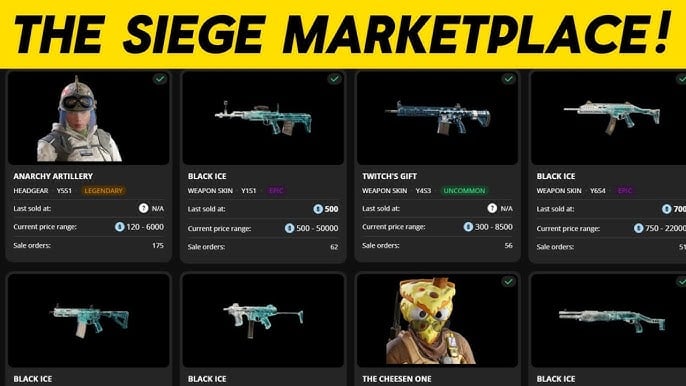
The hackers mainly messed with Rainbow Six Siege X. On an unassuming December 27 night (it sounds cool shut up), a group or groups of hackers managed to push the game into a very public crisis. Players woke up to billions of R6 Credits in accounts, ultra-rare skins suddenly unlocked for everyone, and the global ban ticker spamming weird messages. Ubisoft responded the only sane way they could: they pulled the servers and the Marketplace offline while they tried to untangle the mess. It was quite sad, considering this is their 10 year anniversary and THEY EVEN GAVE US ONE FREE GIFT EVERY DAY FOR LOGGING IN. Damn.
Technically, the breach looks like a textbook live service nightmare. Multiple reports point at a vulnerability that allowed attackers to reach internal tooling and game systems, manipulate account data, and trigger mechanics that normally require strict authentication. Some outlets suggest weak points in database access and third party helpdesk panels helped the attackers move from a foothold to full system control. That kind of lateral movement is exactly how you go from a single compromised login to being able to mint virtual currency at scale.
What made the attack feel like a different species of hack was the way it touched every level of the game ecosystem in minutes (just like your uncle). On the technical side people saw random bans and unbans, inventory edits, and mass grants of currency and items. Some of those changes were visible in real time on the global ban ticker. Ubisoft limited further damage by taking systems offline and announcing a rollback for transactions after a specific cutoff time. That rollback is the cleanup tool of choice in live services, but it also creates headaches. Any rollback is going to upset players who legitimately spent time or money during the window.
Financially the hit is messy even if the headline number does not crater Ubisoft overnight. Estimates that circulated right after the incident put the value of the injected in-game currency in the millions. The Verge did the math based on typical R6 Credit bundles and arrived at a multi-million dollar figure for the credits that were gifted during the breach. That is not the same as a direct cash loss to Ubisoft, because they can reverse transactions, but it does mean operational disruption, refunds, and an expensive forensic response. Market reactions and investor confidence do not like surprises like this. Analysts will price in a higher risk premium for a company whose live services are showing brittle security.
On the PR side, the damage is symptomatic of a bigger trust issue between live game publishers and their communities. Players were angry for obvious reasons. Some accounts lost items when the rollback occurred, while others experienced unusual bans that required manual review. The entire experience resulted in long queues and marketplace downtime. Ubisoft did the right thing by saying players would not be penalized for using the unauthorized credits. That statement was a pragmatic olive branch, but it does not erase the anger of players who saw their inventories flicker or who use Siege as a primary hobby. The optics of the ban ticker being hijacked and of developer-only skins appearing in public feeds were particularly humiliating for the studio.
The hack also exposed avoidable operational fragility. Live games are run across a stack of systems: matchmaking, payments, helpdesk tooling, analytics, content management, and more. The attack highlighted how a compromise in one area can cascade into global outages. Some security writeups after the incident called this a cautionary tale for companies that treat game security as an infrastructure checkbox rather than a continuous risk management program. For Rainbow Six Siege X the lesson will be painfully concrete: you cannot let auxiliary tools or an outsourced helpdesk be the weak link. Strengthening access controls, rotating credentials, and dramatically tightening vendor security will be table stakes going forward.
There is also a layered attacker story here. In the hours after the outage, multiple groups claimed responsibility and some claimed to have dumped gigabytes of Ubisoft source code and internal materials. Not every claim has been verified and leak chatter always has an element of noise, but even unproven threats force a company to act like the worst case is true. That means audits, code integrity checks, and legal exposure assessments. Publicly answering whether developer tools, builds or proprietary assets were exposed is difficult and slow. Silence or hedged statements on those topics feel like weakness to players and investors alike.
For Rainbow Six Siege X specifically the incident is a meta event. Siege is a competitive game that depends on a sense of fairness and skill-based progression. When attackers can randomly inject currency, unlock rare cosmetics, or mess with bans it erodes the core product narrative: that your rank and your loadout mean something. The immediate meta effects include a pause in competitive ladders, re-scrutiny of any suspicious matches during the attack window, and a domino of trust issues that could change how esports organisers and teams view the title in the short term. For a franchise celebrating a major anniversary season the timing could not be worse.
There will be second order financial hits beyond the direct rollback math. Ubisoft must spend on security audits, onensics, and incident response teams. They will likely accelerate planned investments in infrastructure hardening. There are also potential regulatory and customer support costs if personal data is implicated. The stock moves after big breaches are rarely kind unless the company articulates a fast, clear remediation plan. Expect analysts to ask about timelines, root cause analyses, and whether leadership changes are on the table. Investors will want assurance that Rainbow Six Siege X, one of Ubisoft’s crown jewels, is being protected.
So what happens next for players and for Ubisoft? Practically speaking Ubisoft will continue rolling back affected transactions, reopen the Marketplace only when they are confident the exploit is contained, and run a long form investigation into exactly how the attackers gained access. On the community side the company will need to manage expectations and rebuild trust with transparency and customer-friendly remediation. A cosmetic bundle or extended in-game compensation can soothe some players, but it will not fix deeper concerns about account safety and system integrity. It was a broken game in the first place FFS and now it’s somehow become worse? Lmao
If you look at the incident from a distance, it is a reminder about how fragile modern live services are and how quickly reputational capital can be spent. Rainbow Six Siege X survived because Ubisoft acted quickly to stop the bleeding, but survival is not the same as recovery. The studio must now prove it has learned the hard lessons, strengthen its stack, and show the community that playing Siege again is safe. Until then the season chat will be full of players discussing whether the game can be trusted when someone with keyboard access can hand out free credits like confetti. This is also why gaming companies should never be publicly traded, in my personal opinion, that is some of the riskiest shit you could do.